The American Society of Ketamine Physicians (ASKP3)
Mental health care is evolving rapidly as clinicians explore innovative treatments for conditions that have not responded well to traditional approaches. One of the most promising developments is ketamine therapy, particularly for treatment-resistant depression, PTSD, and other mood disorders.
At the forefront of this field is the American Society of Ketamine Physicians, Psychotherapists, and Practitioners (ASKP3)—a professional organization dedicated to establishing ethical standards, advancing research, and supporting clinicians who provide ketamine-based treatments.
For mental health clinics offering ketamine-assisted psychotherapy and integrative psychiatric care, understanding ASKP3 and its role in shaping best practices is essential.
What Is the American Society of Ketamine Physicians (ASKP3)?
The American Society of Ketamine Physicians, Psychotherapists, and Practitioners (ASKP3) is a nonprofit professional organization founded in 2016. It was created to promote the safe, ethical, and evidence-based clinical use of ketamine for mental health disorders and chronic pain conditions.
The organization brings together a multidisciplinary network of clinicians, including:
Psychiatrists
Psychotherapists
Nurse practitioners (NPs)
Certified Registered Nurse Anesthetists (CRNAs)
Clinical researchers
Licensed therapists and social workers
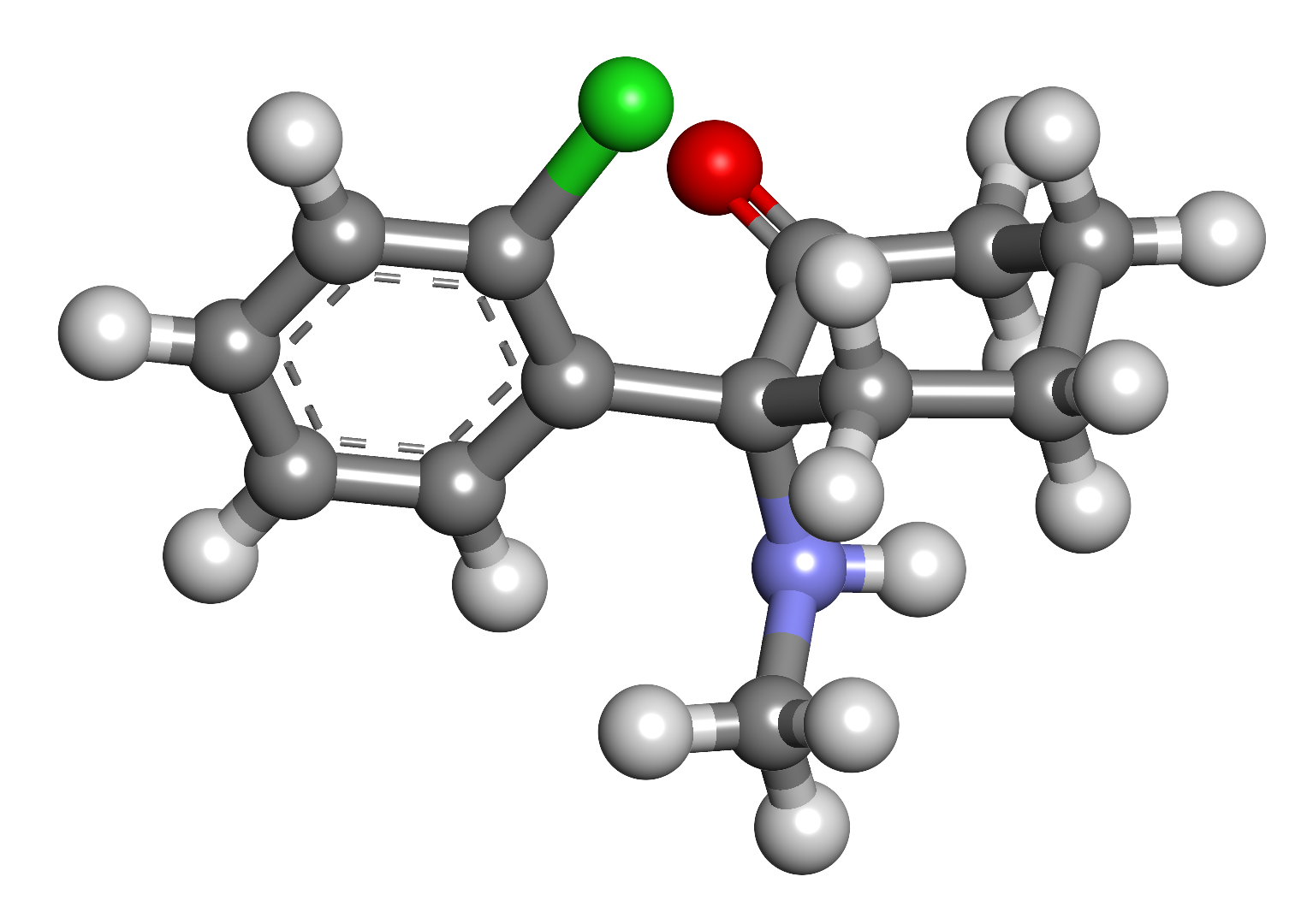
Image Credit: By Nerdking2015, CC BY-SA 4.0, via Wikimedia Commons
ASKP3 acts as both a professional community and educational hub, helping practitioners stay updated on emerging treatments such as ketamine-assisted psychotherapy (KAP), psychedelic medicine, and integrative mental health care.
Today, the society represents hundreds of clinicians and an expert faculty of leading physicians and therapists specializing in ketamine treatment and related therapies.
Why ASKP3 Matters in Modern Mental Health Treatment
The growth of ketamine therapy has been rapid. Clinics across the United States now offer ketamine infusion therapy, intramuscular ketamine, nasal ketamine, and ketamine-assisted psychotherapy.
However, this expansion has raised important questions about clinical standards, patient safety, and ethical practice.
ASKP3 plays a crucial role in addressing these concerns by:
Creating clinical guidelines for ketamine therapy
Supporting research and evidence-based protocols
Providing education and training for practitioners
Promotingethical standards in psychedelic and integrative psychiatry
One of the organization’s major initiatives is its Pledge Program, which outlines best practices for administering ketamine therapy and ensuring patient safety.
These guidelines emphasize critical elements such as:
Comprehensive patient screening
Detailed psychiatric history documentation
Monitoring vital signs during treatment
Informed consent procedures
Transparent treatment protocols
By establishing these frameworks, ASKP3 helps ensure that ketamine therapy is delivered responsibly and effectively.
The Science Behind Ketamine Therapy
Ketamine was originally approved by the U.S. Food and Drug Administration (FDA) in 1970 as an anesthetic. Over the past two decades, research has shown that sub-anesthetic doses can rapidly relieve symptoms of severe depression and suicidality.
A landmark study funded by the National Institute of Mental Health (NIMH) found that ketamine can produce significant antidepressant effects within hours in patients with treatment-resistant depression.
This rapid response is significant because traditional antidepressants such as SSRIs (Selective Serotonin Reuptake Inhibitors) often take several weeks to become effective.
Researchers believe ketamine works through the NMDA receptor system, increasing the release of glutamate and promoting neuroplasticity—the brain’s ability to form new neural connections.
According to research published by institutions such as Yale University School of Medicine, ketamine may stimulate synaptogenesis, helping repair neural pathways affected by chronic stress and trauma.
This mechanism has made ketamine a promising option for conditions including:
Treatment-resistant depression (TRD)
Post-traumatic stress disorder (PTSD)
Anxiety disorders
Obsessive-compulsive disorder (OCD)
Suicidal ideation
These breakthroughs have positioned ketamine as one of the most important interventional psychiatry treatments of the 21st century.
ASKP3 Standards for Safe Ketamine Therapy
To ensure that ketamine therapy is delivered responsibly, ASKP3 established Standards of Practice in the Therapeutic Use of Subanesthetic Ketamine.
These standards focus on several key areas:
1. Patient Screening and Evaluation
Before treatment begins, clinicians must conduct a full psychiatric and medical evaluation. This includes reviewing mental health history, substance use disorders, and current medications.
2. Appropriate Treatment Settings
Ketamine therapy must be administered in a medical setting with trained professionals present. Vital signs and patient responses should be continuously monitored.
3. Informed Consent
Because ketamine is often used off-label for mental health conditions, patients must be fully informed about:
Potential benefits
Possible risks
Alternative treatments
4. Ethical Transparency
ASKP3 discourages “secret formulations” or unverified treatment claims, emphasizing evidence-based medicine and transparent protocols.
5. Monitoring and Aftercare
Patients must be monitored until they return to baseline after treatment, and they should not drive or operate machinery for at least 12 hours following infusion therapy.
These guidelines help protect patients while advancing the legitimacy of ketamine-assisted treatments.

The Role of Multidisciplinary Care in Ketamine-Assisted Psychotherapy
Many experts emphasize that ketamine works best when integrated with psychotherapy and holistic care.
This approach—known as ketamine-assisted psychotherapy (KAP)—combines the neurochemical effects of ketamine with structured therapeutic support.
Clinics that follow integrative models often combine ketamine therapy with:
Cognitive Behavioral Therapy (CBT)
Internal Family Systems (IFS) therapy
Somatic therapy and trauma-informed care
Mindfulness-based therapies and meditation
Psychopharmacology and medication management
The integration of multiple therapeutic modalities can improve patient outcomes by addressing both neurobiological and psychological aspects of mental health disorders.
This multidisciplinary approach aligns with ASKP3’s emphasis on collaboration among clinicians, therapists, and medical providers.
The Future of Psychedelic and Integrative Psychiatry
Ketamine therapy is part of a broader shift toward interventional psychiatry and psychedelic-assisted treatments.
Researchers at leading institutions such as Johns Hopkins University and Stanford University are investigating other emerging therapies including:
Psilocybin-assisted psychotherapy
MDMA-assisted therapy for PTSD
Transcranial Magnetic Stimulation (TMS)
Neuroplasticity-focused psychiatric interventions
ASKP3 supports this evolving field by encouraging research, clinical collaboration, and ethical oversight.
As mental health care continues to evolve, organizations like ASKP3 help ensure that innovative treatments remain safe, scientifically grounded, and patient-centered.
Begin Your Healing Journey in Noe Valley, San Francisco
If you are exploring ketamine-assisted psychotherapy or integrative mental health care in the Bay Area, working with experienced clinicians is essential.
Quantum Integral Healing Arts, located in Noe Valley, San Francisco, offers a comprehensive approach to mental wellness through a multidisciplinary team of clinicians. Our services include:
Ketamine-assisted psychotherapy
Integrative psychiatry and psychopharmacology
Internal Family Systems (IFS) therapy
Somatic therapy and trauma-informed care
Cognitive Behavioral Therapy (CBT)
Diagnostic assessments and medication management
Mindfulness training and meditation practice
Acupuncture and Chinese medicine
Massage therapy and mindfulness-based group therapy
We proudly serve individuals throughout San Francisco, Brisbane, Oakland, Berkeley, Daly City, San Mateo, and the wider Bay Area.
If you’re ready to explore innovative treatments aligned with the highest clinical standards in ketamine therapy, our team is here to support your healing journey. Visit our contact page to schedule a consultation.
Your path toward deeper healing and mental clarity can start today.