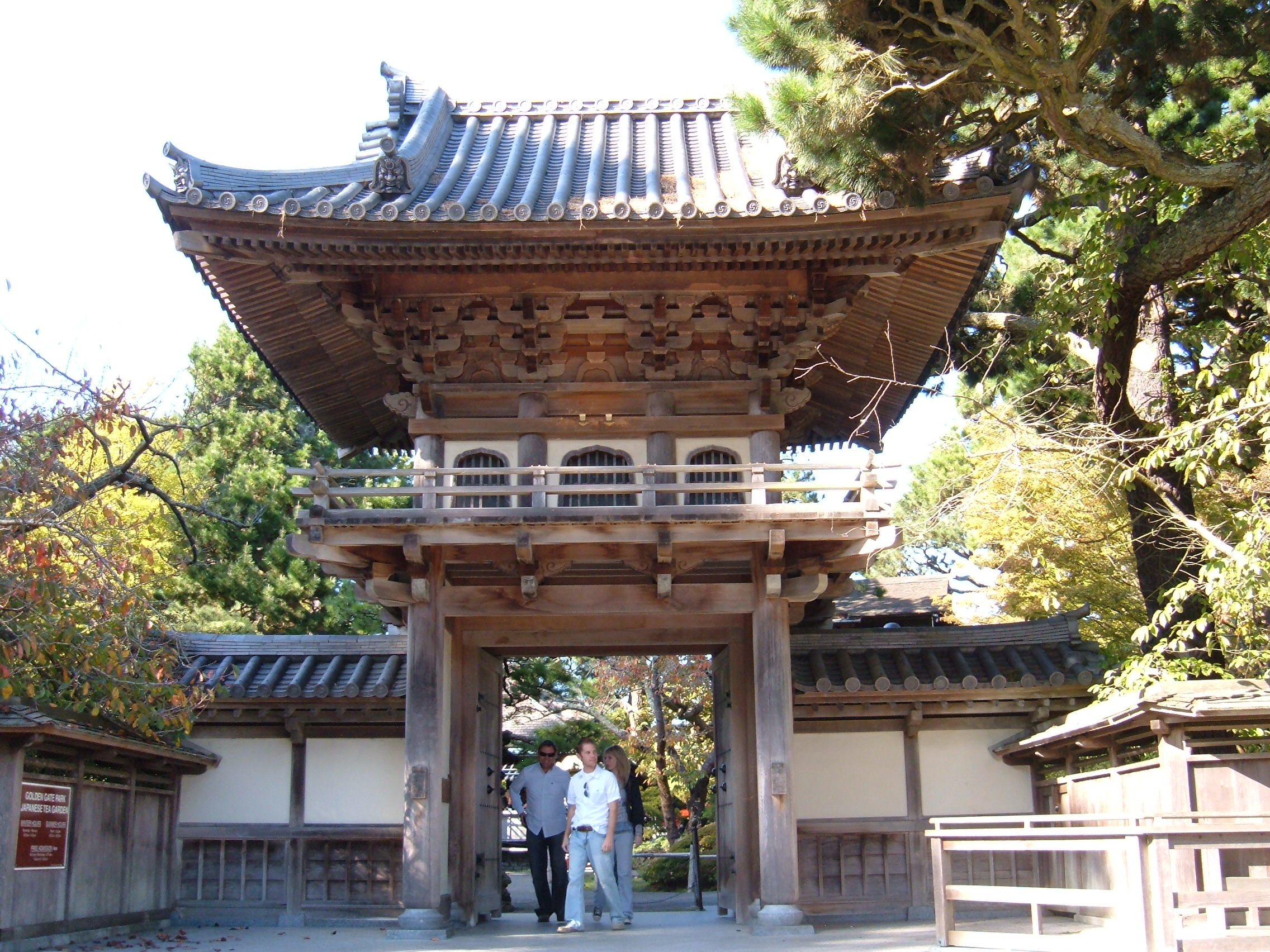
The Japanese Tea Garden in Golden Gate Park: A Local Perspective for Noe Valley, San Francisco
The Japanese Tea Garden, located within Golden Gate Park in San Francisco, represents one of the oldest public Japanese-style gardens in the United States. Originally created for the 1894 California Midwinter International Exposition, it later evolved into a permanent cultural landmark maintained by the San Francisco Recreation and Park Department. Its continued preservation reflects the city’s broader commitment to cultural heritage and public green space access.
For residents of Noe Valley, the garden sits roughly three miles northwest, making it a frequently visited destination for quiet recreation and reflection. This proximity matters in a dense urban environment where access to restorative outdoor environments supports mental well-being. According to the National Park Service, exposure to structured green spaces has measurable effects on stress reduction and cognitive restoration, particularly in urban populations.
Landscape Design and Environmental Features
The Japanese Tea Garden incorporates traditional landscape architecture principles rooted in harmony, balance, and symbolism. These principles manifest through elements such as koi ponds, stone lanterns, arched bridges, and carefully pruned trees.
San Francisco’s coastal Mediterranean climate plays a key role in sustaining these features. Characterized by mild, wet winters and dry summers, the climate allows for year-round plant maintenance without extreme seasonal die-off. However, persistent fog—especially during summer months—affects plant selection and growth patterns, favoring moss, maples, and evergreen shrubs.
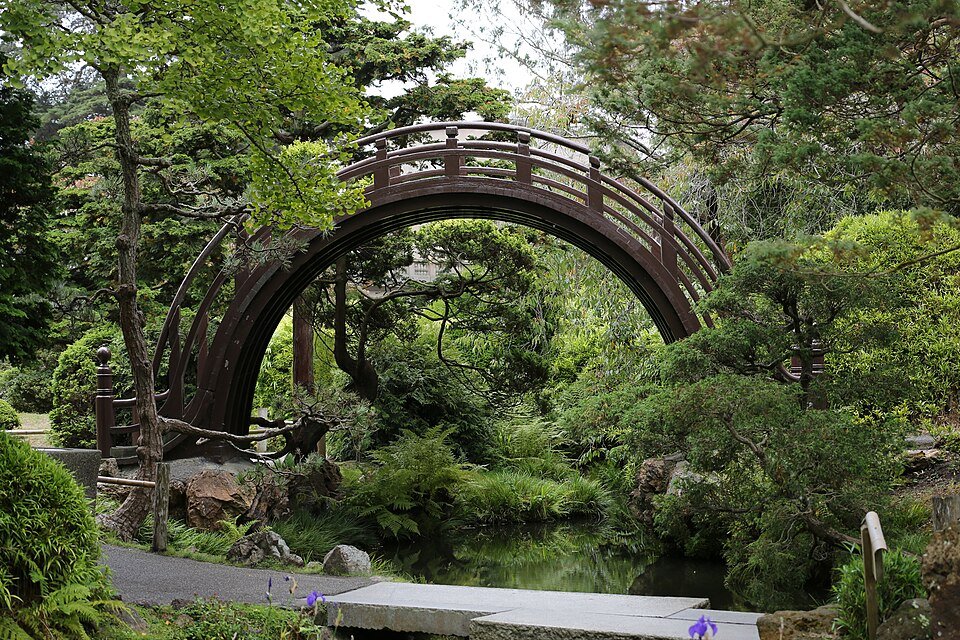
Image Credit: Tobias Kleinlercher , CC BY-SA 3.0 via Wikimedia Commons
Key landscape elements:
Koi ponds: Artificial water bodies housing ornamental carp, symbolizing longevity and perseverance
Stone lanterns: Traditional Japanese fixtures historically used to illuminate temple pathways
Zen gardens: Dry landscape areas using gravel and stone to represent water and islands
Tea house structures: Built environments reflecting traditional Japanese architecture
These elements work together to create a controlled sensory experience, which contrasts with the more open and recreational layout of other Golden Gate Park areas.
Accessibility and Relevance to Noe Valley Residents
While Golden Gate Park spans over 1,000 acres, the Japanese Tea Garden offers a more contained and contemplative environment. For Noe Valley residents, this distinction is important. The neighborhood itself features a mix of residential density and limited green space compared to western districts of San Francisco.
Public transit access via Muni lines and bike routes makes the garden relatively easy to reach without a car. Additionally, San Francisco’s urban planning policies emphasize equitable access to parks, as outlined in the city’s Japanese Tea Garden, which details operating hours, conservation efforts, and accessibility guidelines.
This accessibility supports regular visitation patterns, particularly among individuals seeking structured environments for quiet activity such as walking, meditation, or observation. In the context of broader neighborhood resources, residents exploring San Francisco, California wellness and community environments may also consider how proximity to spaces like the Japanese Tea Garden contributes to overall urban livability.
Seasonal Patterns and Visitor Experience
Although the garden remains open year-round, seasonal changes subtly influence the visitor experience. Spring introduces cherry blossoms (sakura), a culturally significant event that draws increased local attention. Fall brings color variation through Japanese maple trees, while winter highlights the structural elements of the garden without dense foliage.
San Francisco’s microclimates also affect conditions within the park. While Noe Valley is often sunnier due to its inland position, Golden Gate Park experiences more frequent fog and cooler temperatures. Visitors traveling from Noe Valley may notice a temperature drop of several degrees, especially in the morning.
Understanding these variations allows residents to plan visits more effectively. For example:
Morning visits often provide quieter conditions but higher fog density
Midday offers clearer visibility and warmer temperatures
Late afternoon sees reduced crowds but cooler air returning
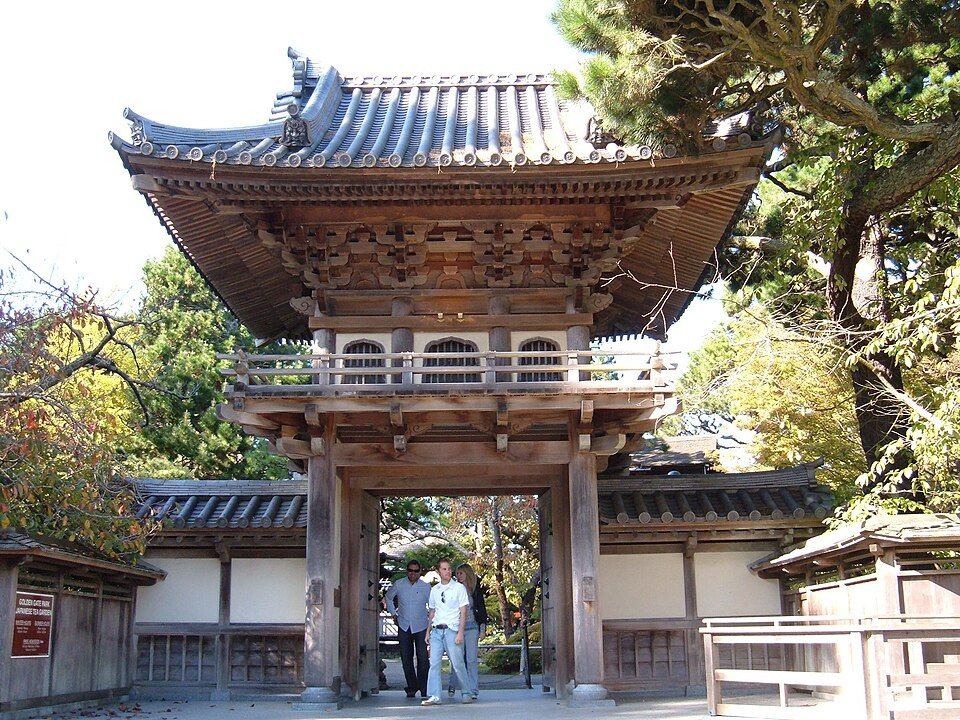
Image Credit: BrokenSphere, CC BY-SA 3.0, via Wikimedia Commons
Cultural Practices and Educational Value
The Japanese Tea Garden is not only a visual landscape but also a site of cultural education. Traditional tea practices, known as chanoyu (the Japanese tea ceremony), emphasize mindfulness, respect, and intentionality. While not always performed formally on-site, the presence of tea-serving spaces reflects these principles.
Educational signage throughout the garden explains the symbolism behind design elements and plant choices. This aligns with broader educational goals outlined by organizations such as the National Park Service urban health resources, which highlight how cultural landscapes contribute to public understanding and well-being.
For residents of Noe Valley, this educational aspect adds depth to what might otherwise be a routine park visit. It transforms the space into a setting where cultural literacy and environmental awareness intersect.
Urban Green Space and Mental Health Context
Access to tranquil environments like the Japanese Tea Garden has growing relevance in discussions around urban mental health. San Francisco’s high population density and cost of living contribute to elevated stress levels among residents. Structured green spaces provide a counterbalance by offering predictable, calming environments.
Unlike larger open parks, the garden’s enclosed design reduces noise and visual overstimulation. This makes it particularly suitable for individuals seeking low-intensity environments. Research published by the U.S. Forest Service indicates that even brief exposure to managed natural settings can reduce cortisol levels and improve mood stability.
For Noe Valley residents, the garden serves as a nearby example of how intentional landscape design can support mental restoration without requiring travel outside the city.

_(TK3).JPG)